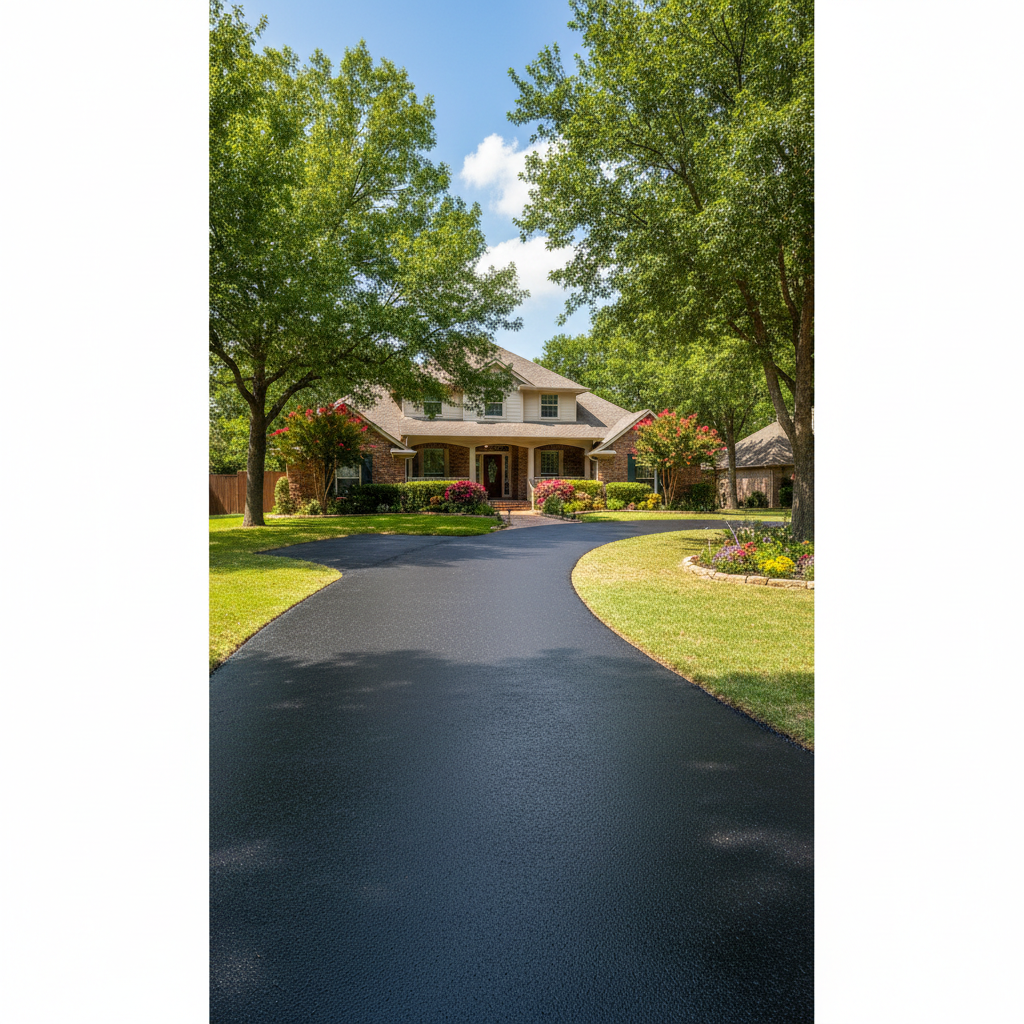
When's the best time to pave your driveway or parking lot in Irving? That's a question I get a lot, and it's a good one. Texas weather isn't exactly subtle, is it? Our climate here in Irving, with those scorching summers and surprisingly chilly winters, really dictates when we can do quality asphalt work and how you should maintain it.
Why Texas Weather Matters for Asphalt
Asphalt isn't just black rock; it's a mix of aggregates and bitumen, which is a petroleum-based binder. Think of bitumen like a thick, sticky glue. Its consistency changes a lot with temperature. When it's too cold, it gets stiff and brittle. When it's too hot, it gets too fluid and doesn't compact right. That's why timing is everything.
The Ideal Paving Window: Spring & Fall
For us at Alpha Asphalt, and really any reputable asphalt contractor, the sweet spot for paving new asphalt or doing major overlays is usually spring and fall. We're talking March through May, and then late September through November. Why? Because the ground temperature and air temperature are just right. We're looking for consistent temperatures between 50 and 85 degrees Fahrenheit.
- Spring (March-May): The ground has had a chance to warm up after winter, and we haven't hit the extreme summer heat yet. This allows the asphalt to be pliable enough for proper compaction without cooling too quickly or staying too soft.
- Fall (Late Sept-Nov): After the summer inferno, temperatures start to drop to that ideal range. The ground is still warm enough from the summer, which helps with the curing process. You avoid the sudden temperature drops that can cause problems in winter.
When We Avoid Paving
You won't catch us laying asphalt in the dead of summer or the middle of winter unless it's an absolute emergency repair. And even then, we're taking extra precautions.
- Summer (June-August): Irving summers are brutal. When it's 100 degrees outside, the asphalt mix can be too hot and too liquid. It's hard to get proper compaction because it wants to move around too much. Plus, it can take forever to cool down and set, leaving it vulnerable to damage.
- Winter (December-February): On the flip side, when it's below 50 degrees, the asphalt cools too fast. It becomes stiff and difficult to work with, making it tough to achieve a smooth, dense surface. You end up with a weaker pavement that's prone to cracking sooner.
Rain is another big no-no. You can't pave on wet subgrade or during a downpour. The water compromises the base and prevents the asphalt from bonding correctly. We're always watching that forecast, especially with those pop-up Texas thunderstorms.
Protecting Your Investment Year-Round
Even after the paving is done, our Texas climate keeps working on your asphalt. Here's what you can do:
- Sealcoating is Your Best Friend: This is huge, especially in Irving. Our intense UV rays from the sun are constantly baking your asphalt, drying out the binder and making it brittle. Sealcoating every 2-3 years acts like sunscreen for your driveway, protecting it from UV damage, water penetration, and even oil spills. It's a small investment that extends the life of your pavement significantly.
- Address Cracks Promptly: Those hairline cracks might seem minor, but they're an open invitation for water. When water gets into cracks, especially with our occasional freezes in winter, it expands and contracts, turning a small crack into a pothole in no time. Get them filled as soon as you see them.
- Keep it Clean: Dirt, debris, and chemicals can break down your asphalt over time. A quick sweep or hose-down now and then helps. Also, watch out for oil or gas leaks from vehicles; clean those up immediately.
- Proper Drainage: Make sure water isn't pooling on your asphalt. Good drainage is key to preventing water damage, especially with the heavy rains we get sometimes. If you've got standing water, that's a problem that needs to be fixed.
Look, your asphalt driveway or parking lot is a significant investment. Understanding how our unique Irving climate affects it, from the black gumbo soil underneath to the blazing sun above, helps you make smart decisions. If you've got questions about your specific situation, give us a call. We're here to help.