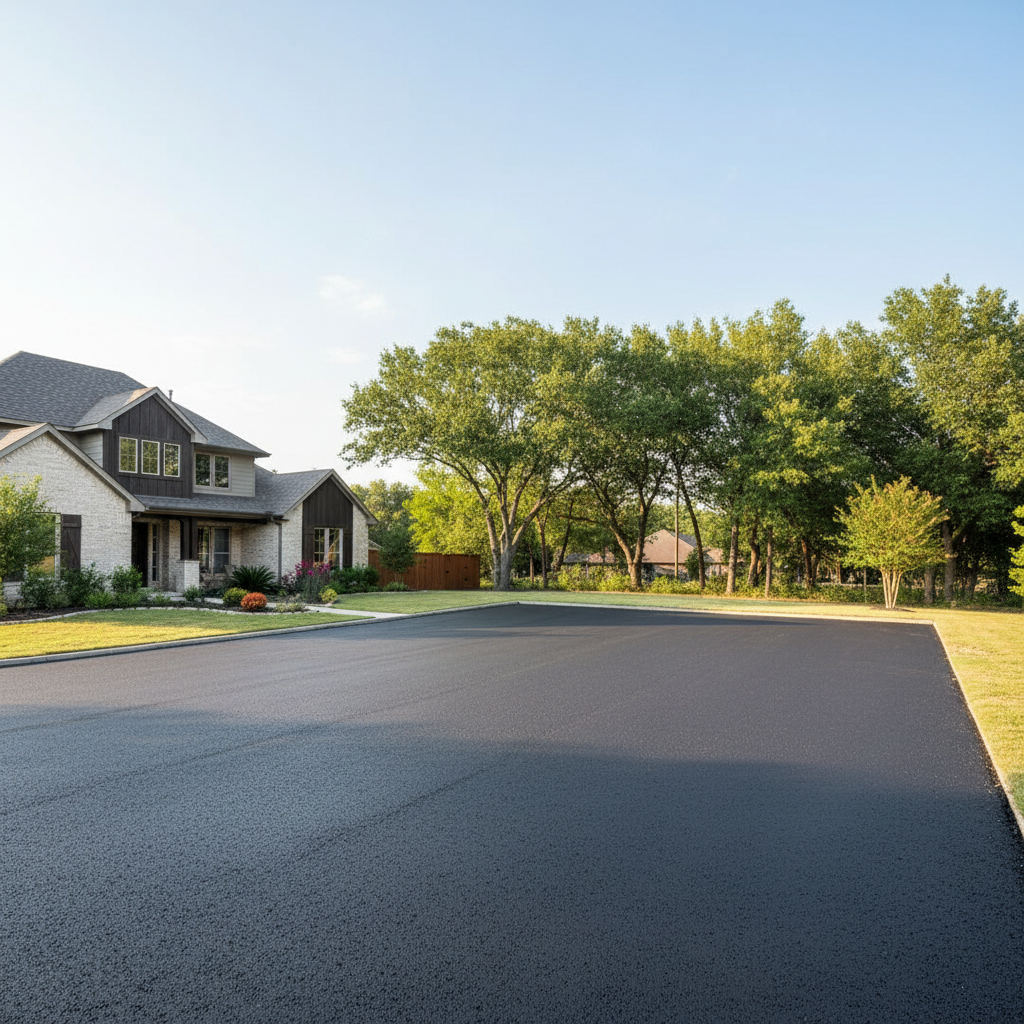
Your commercial parking lot or access road isn't just pavement; it's a critical part of your business, plain and simple. It's the first thing customers see, after all. And it's got to hold up to a lot of traffic, not to mention our crazy Texas weather. I've seen too many businesses in Irving let their asphalt go, and it always costs more in the long run. Let's talk about how to keep your commercial pavement in top shape and avoid those headaches.
Extending Your Pavement's Life: It's All About Proactive Care
Look, asphalt isn't a 'set it and forget it' kind of deal, especially not around here. Our intense summer heat, followed by those occasional freezes we get, really puts a strain on pavement. The biggest thing you can do to extend its life is to be proactive. That means not waiting until you've got potholes big enough to swallow a small car.
Think about it like this: a small crack is cheap to fix. A whole network of cracks that lets water get under the surface? That's a different ballgame entirely, and it's going to cost you a lot more in repairs. Regular inspections and timely minor repairs are your best friends here. Don't let little issues become big ones, okay?
What Does Regular Maintenance Look Like?
For commercial properties, 'regular' means staying on top of a few key things throughout the year. It's not rocket science, but it does take attention.
- Keep it Clean: Sounds simple, right? But debris, oil spills, and even standing water can break down asphalt over time. Sweep regularly, especially after storms. If you've got oil or chemical spills, clean them up fast. Those substances eat away at the binder in asphalt.
- Drainage is Key: This is huge in Irving, especially with our heavy rains. If water isn't draining properly, it's just sitting on your asphalt, seeping into cracks, and undermining the base. Make sure your catch basins and drains are clear. If you see standing water for more than a few hours after a rain, you've got a drainage problem that needs fixing.
- Crack Sealing: This is probably the most important maintenance task. Cracks are like open wounds for your pavement. Water gets in, freezes (if it's cold enough), expands, and then thaws, leaving a bigger void. Seal those cracks as soon as they appear. It's a relatively inexpensive fix that prevents much more costly damage.
- Sealcoating: For newer or well-maintained asphalt, sealcoating every few years (typically 2-4 years, depending on traffic and condition) protects the surface from UV rays, water, and chemicals. It's like sunscreen for your pavement, and it makes it look sharp too.
- Line Striping: Not just for looks, clear line striping improves safety and traffic flow. Faded lines confuse drivers and can lead to accidents. Re-striping goes hand-in-hand with sealcoating, giving your lot a fresh, professional look.
Warning Signs You Can't Ignore
Your asphalt will tell you when it's in trouble, you just have to know what to look for. Don't brush these off:
- Alligator Cracking: This looks like a series of interconnected cracks, much like an alligator's skin. It's a serious sign that the base layer beneath the asphalt is failing, usually because water got in. This isn't a surface problem anymore; it means structural damage.
- Potholes: Obvious, I know, but even small potholes can quickly grow. They're a trip hazard and can damage vehicles. They usually form when water gets into cracks, freezes, expands, and then traffic breaks away the weakened asphalt.
- Depressions or Rutting: If you see areas where the pavement has sunk or developed channels from heavy vehicle traffic, that means the sub-base isn't holding up. This can lead to drainage issues and further deterioration.
- Fading and Discoloration: While sealcoating can fix this, extreme fading and a graying appearance can mean the asphalt binder is oxidizing and losing its flexibility. This makes it more prone to cracking.
- Upheaval or Swelling: Sometimes you'll see areas where the pavement is pushed up. This could be tree roots, but it could also be expansive clay soils (something we have a lot of in Irving) reacting to moisture changes, pushing up the pavement.
When to Call a Professional
You can handle some basic clean-up, but for anything beyond that, you really need a pro. Here's when to pick up the phone:
- Any significant cracking: If you've got cracks wider than a quarter-inch, or extensive alligator cracking, you need professional assessment and repair.
- Potholes: While some DIY patches exist, a professional repair ensures proper compaction and a lasting fix that won't just pop out a few weeks later.
- Drainage issues: If water isn't flowing off your lot, you need an expert to assess the grading and drainage system.
- Before sealcoating: Proper surface preparation is crucial for sealcoating to stick correctly and last. A professional company like Alpha Asphalt knows how to clean, prime, and apply sealcoat for maximum benefit.
- When you're not sure: If you see something that looks off and you're not sure what it is, it's always better to get a professional opinion. A quick inspection can save you thousands down the line.
Don't wait until your commercial lot is a patchwork of temporary fixes and hazards. A well-maintained asphalt surface reflects well on your business and is a smart investment. Keep an eye on it, address issues quickly, and don't hesitate to call in the pros when you need them. It'll save you money and headaches in the long run, I promise you that.